
How Long Does IVF Take to Get Pregnant?
If you are considering in vitro fertilization (IVF), one of the first things you probably want to know is how long it will take. Maybe you are juggling work, money, or the emotional weight of months of trying. A clear timeline makes the process feel far less overwhelming.
Here is the short answer. One IVF cycle usually takes about 4 to 6 weeks from the start of medication to a pregnancy test. Add the testing and planning beforehand, and your first attempt often takes 2 to 4 months from your first consultation. Whether you get pregnant on the first cycle or need more than one depends on factors like your age, egg quality, and embryo health. This guide walks you through every stage so you know what to expect.
How Long Does IVF Take to Get Pregnant?
A single IVF cycle, from the first day of stimulation medication to the pregnancy test, typically spans about 4 to 6 weeks. A frozen embryo transfer can add a few more weeks, because the transfer happens in a separate cycle.
Your full journey usually looks like this:
- Before you start: 1 to 3 months for consultations, testing, and planning
- Stimulation to egg retrieval: about 2 weeks
- Egg retrieval to embryo transfer: 3 to 5 days for a fresh transfer, or roughly 3 to 8 weeks for a frozen transfer
- Transfer to pregnancy test: about 9 to 14 days
For many people, getting from the first appointment to a first pregnancy test takes somewhere between 2 and 5 months. If more than one cycle is needed, the timeline stretches accordingly. Everyone’s path is different, so think of these as typical ranges rather than promises.
What Is the IVF Timeline Step by Step?
Here is how a standard cycle unfolds, so you can picture each stage.
Step 1: Consultation and testing (1 to 3 months). You and your partner, if you have one, will have a medical review and tests. For you, that usually means blood work to check ovarian reserve (such as AMH), an ultrasound to count resting follicles, and often a check of your uterus and fallopian tubes. For a partner with sperm, it means a semen analysis. Our guide on when to get fertility testing explains what to expect.
Step 2: Cycle planning (days to a few weeks). Your clinic sets a start date based on your cycle. Some clinics use birth control pills for a short time beforehand to schedule your cycle and keep follicles in sync.
Step 3: Ovarian stimulation (8 to 14 days, often 10 to 12). You give yourself daily hormone injections so your ovaries develop several mature eggs instead of the usual one. You visit the clinic every few days for ultrasounds and blood tests so your doctor can adjust your dose.
Step 4: Trigger shot (34 to 36 hours before retrieval). Once your follicles are ready, a final injection matures the eggs. Timing here is precise.
Step 5: Egg retrieval (about 20 to 30 minutes). Under light sedation, your doctor collects the eggs through a thin needle guided by ultrasound. Most people go home the same day and return to normal activity within a day or two.
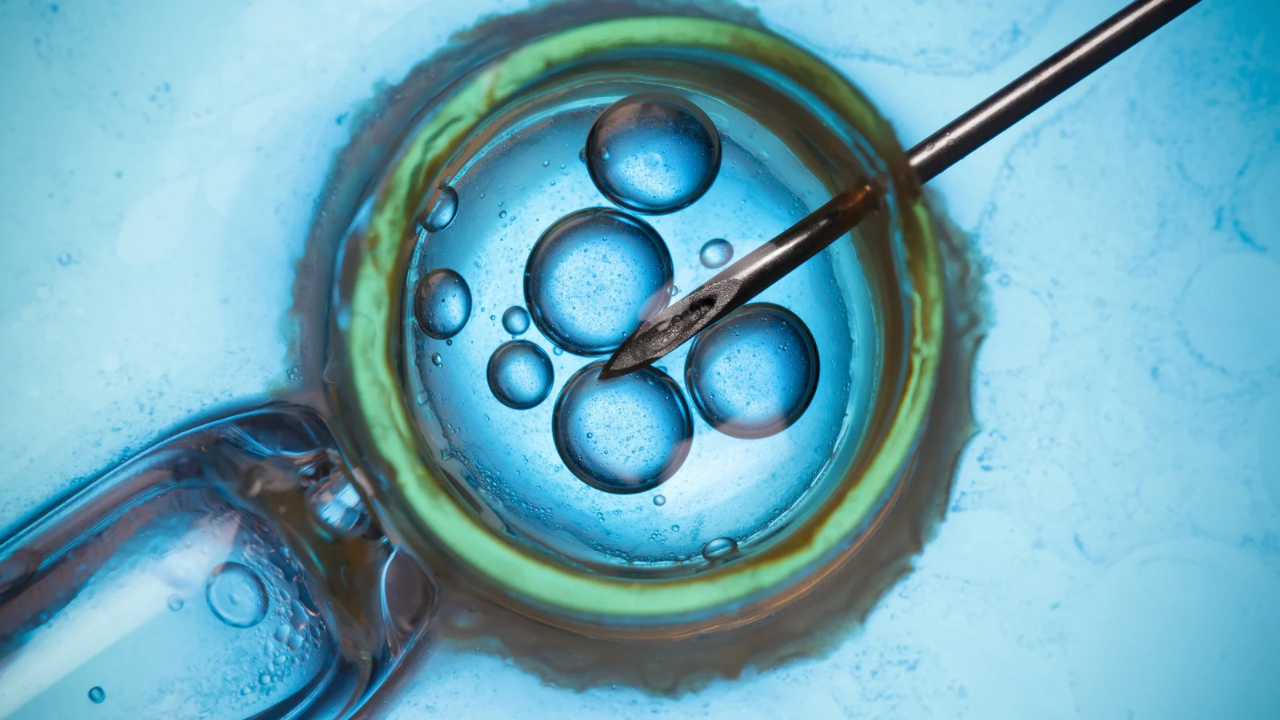
Step 6: Fertilization and embryo growth (3 to 6 days). In the lab, eggs are fertilized with sperm, either conventionally or by ICSI, where a single sperm is injected into an egg. The next day you will learn how many eggs fertilized. The embryos then grow for several days, and many reach the blastocyst stage around day 5 or 6.
Step 7: Optional genetic testing (about 1 to 3 weeks). If you choose preimplantation genetic testing (PGT), a few cells are biopsied from each blastocyst and the embryos are frozen while you wait for results.
Step 8: Embryo transfer. A fresh transfer happens 3 to 5 days after retrieval. A frozen embryo transfer (FET) happens in a later cycle, after your uterine lining is prepared with medication.
Step 9: The two week wait (about 9 to 14 days). After transfer, you wait for a blood test to measure hCG, the pregnancy hormone.
How Long Does It Take From Egg Retrieval to Embryo Transfer?
It depends on whether you do a fresh or frozen transfer.
Fresh transfer. The embryo is transferred 3 to 5 days after retrieval, while you are still on medication. This is the fastest route, but it is not right for everyone, for example if your hormone levels are very high or you are doing genetic testing.
Frozen embryo transfer. Embryos are frozen after retrieval and transferred in a later cycle, usually a few weeks to a couple of months afterward. This gives your body time to recover from stimulation and lets your doctor time the transfer to your uterine lining. Frozen transfers are now very common, and in many situations success rates are comparable to or better than fresh transfers.
How Long After IVF Transfer Can You Test Positive?
Most clinics schedule a blood pregnancy test about 9 to 14 days after transfer. After a blastocyst transfer, an hCG blood test is often accurate around 9 to 11 days later.
It is tempting to take a home test early, but doing so can cause stress. Trigger shots contain hCG, which can linger in your system and cause a false positive, and testing too early can also produce a false negative. Our guide on when to take a pregnancy test explains how to time it. If your test is positive, you will typically have a repeat blood test and then an ultrasound around 6 to 7 weeks of pregnancy.
What Are the Chances of Getting Pregnant With IVF on the First Try?
Your chances depend heavily on your age and the quality of your embryos. As a rough guide from national registry data in the United States, the live birth rate per egg retrieval is about:
- 50 percent or higher for women under 35
- Around 40 percent at ages 35 to 37
- Around 25 percent at ages 38 to 40
- Around 10 to 15 percent at ages 41 to 42
- Under 5 percent after age 43 using your own eggs
These numbers are approximate and change each year, so ask your clinic for its own data and check the latest national reports. For younger women, transferring a genetically normal (euploid) blastocyst leads to a live birth roughly 50 to 65 percent of the time.
One more note: a positive test does not always mean a continuing pregnancy. Very early pregnancy losses happen, and our posts on why chemical pregnancies keep happening and common miscarriage myths and facts can help you understand what is normal and what is not.
How Many IVF Cycles Does It Take to Get Pregnant?
There is no single answer. Some people succeed on the first transfer, while others need several. Studies show that the chance of a live birth builds with each complete cycle, which is why many fertility specialists talk about cumulative success over a few cycles rather than a single attempt.
A few things can mean you need more than one cycle:
- Fewer eggs retrieved. If your ovarian reserve is lower, you may need more than one retrieval to create enough embryos.
- Embryo quality. Even with many eggs, a portion of embryos may not develop or may carry chromosomal differences, especially as age increases.
- A transfer that does not result in pregnancy. Even a good embryo does not always implant.
If you need more than one cycle, many clinics suggest waiting one to two menstrual cycles after a retrieval so your ovaries can settle before you start again. Between attempts, a frozen embryo transfer from the same retrieval can be done sooner without another round of stimulation.
What Can Make IVF Take Longer?
If your timeline stretches beyond what you expected, you are not doing anything wrong. Common reasons include:
- Additional testing or treatment first. Fibroids, polyps, or a thin uterine lining may need treatment before transfer.
- Waiting for genetic results. PGT adds time but may reduce the chance of transferring an embryo that cannot lead to a healthy pregnancy.
- A cancelled or adjusted cycle. If you respond too slowly or too strongly to medication, your doctor may adjust or pause your cycle.
- Sperm factors. Low count or poor motility may call for ICSI, surgical sperm retrieval, or further evaluation. Our guide to male infertility causes, tests, and treatment explains the options.
- Conditions such as PCOS or diabetes. These need careful management to keep a cycle on track. Read more in our posts on PCOS and fertility and trying to conceive with PCOS.
- Scheduling and logistics. Clinic waitlists, insurance approvals, travel, and your cycle timing can all add weeks.
How Can You Prepare to Give IVF the Best Chance?
You cannot control every part of IVF, but you can support your body so it is ready. Eggs take about three months to mature, which is why many providers suggest preparing for roughly three months before a cycle. Our guide on how long it takes to improve fertility naturally explains why this window matters.
Here is where to focus:
Nourish your body. Build meals around protein, fiber, healthy fats, vegetables, and slow digesting carbohydrates. Our fertility nutrition guide walks you through it.
Be thoughtful with supplements. Start with a prenatal vitamin that includes folate, and ask your doctor before adding anything else. Our breakdown of the best fertility supplements shows what the research does and does not support.
Move in a way that helps. Regular walking and moderate strength training are great beforehand. During stimulation, many clinics recommend lighter activity because enlarged ovaries carry a small risk of twisting (ovarian torsion). You may also relate to why Katy stopped doing high intensity workouts.
Cut back on what hurts fertility. Smoking, heavy alcohol use, and poor sleep can all affect egg and sperm quality. See what to avoid when trying to conceive.
Include your partner. Sperm takes about 74 days to develop, so lifestyle changes for the partner with sperm can matter just as much.
Protect your emotional health. IVF can be demanding. Lean on friends, a counselor, or a support group, and be gentle with yourself during the two week wait. If you ever feel hopeless or have thoughts of harming yourself, contact a crisis line or emergency services right away.
When Should You Consider IVF?
Not everyone needs IVF as a first step, and some people move to it faster than others. General guidance is to seek a fertility evaluation after 12 months of trying if you are under 35, after 6 months if you are 35 to 39, and sooner if you are 40 or older. You may also be advised to consider IVF earlier if you have blocked fallopian tubes, severe male factor infertility, advanced age, endometriosis, or a known genetic condition.
If you have been trying for a while and are unsure what is next, our post on being not pregnant after 6 months can help you decide.
Frequently Asked Questions About How Long IVF Takes
How long does one round of IVF take?
A single round, from the start of stimulation medication to the pregnancy test, usually takes about 4 to 6 weeks. If you choose a frozen embryo transfer, it may take a few extra weeks because the transfer happens in a later cycle.
Can you get pregnant on the first IVF cycle?
Yes. Many people do, especially when they are younger and have good embryo quality. Others need more than one cycle, which is common and not a sign that something went wrong.
How soon after egg retrieval can you do the embryo transfer?
A fresh transfer takes place 3 to 5 days after retrieval. A frozen transfer usually happens weeks later, in a following cycle, once your body has recovered and your lining is prepared.
How long should you wait between IVF cycles?
Many clinics recommend waiting one to two menstrual cycles after an egg retrieval before starting again. If you have frozen embryos, a frozen transfer can often be done sooner.
Does a negative IVF test mean IVF will not work for you?
No. A single negative result does not decide your outcome. Your clinic will review the cycle, look at embryo quality and your uterine lining, and suggest changes for the next attempt.
Is IVF faster than trying naturally?
For some people, yes, especially when there is a clear barrier such as blocked tubes, severe male factor infertility, or advanced age. For others, simpler treatments such as medication or insemination may be tried first. A fertility specialist can help you decide.
Take the Next Step
IVF takes planning and patience, but understanding the timeline helps you feel more in control. Preparing your body, asking the right questions, and getting support along the way can make every step feel more manageable.
If you want personalized guidance as you decide on or prepare for IVF, Katy Poole, a fertility consultant and nurse practitioner, offers one on one fertility consulting services to help you understand your labs, your options, and your next steps. You can also explore the Get Pregnant Faster program or browse more fertility health resources.