
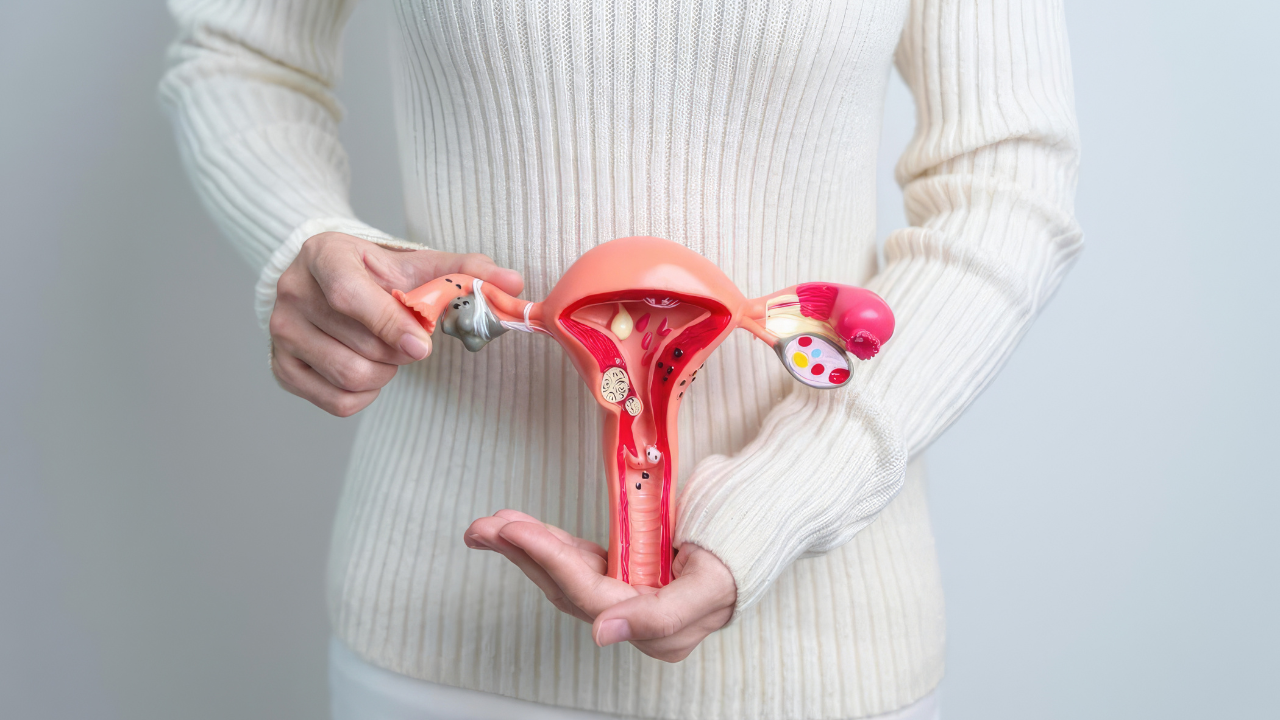
Damaged Fallopian Tubes: Causes, Signs, and What You Can Still Do
If you just heard the words "damaged fallopian tube" from your doctor, or you're piecing together why months of trying haven't led anywhere, I want you to take a breath first. Here's the short version: a damaged tube is one where scarring, inflammation, or structural changes affect its ability to pick up an egg, let sperm through, or move a fertilized egg toward the uterus, usually from past infection, endometriosis, prior surgery, or an ectopic pregnancy. Many people have no symptoms at all until they start trying to conceive, and depending on how severe the damage is and whether one or both tubes are affected, pregnancy may still be possible naturally, with IUI, or with IVF, which bypasses the tubes completely. This diagnosis feels huge in the moment, but it is one of the most common and most workable causes of infertility I see in my practice. You have more options than you probably think.
Let's walk through what's actually happening in your body, how to know if this applies to you, and what your real next steps look like.
Damaged vs. Blocked: What's the Difference?
People (and honestly, a lot of articles online) use "damaged" and "blocked" fallopian tubes interchangeably, but they're not always the same thing.
A blocked tube means something is physically stopping the passage of an egg or sperm through the tube, like scar tissue sealing it shut.
A damaged tube is a broader term. It can include blockages, but it can also mean a tube that is technically open but not functioning well. Think of it like a hallway that isn't fully closed off, but the carpet is torn up, the lighting is broken, and things aren't moving through smoothly anymore. The delicate hair-like structures (cilia) that line your tubes and physically sweep the egg along can be damaged by inflammation even when the tube itself isn't blocked. That means a tube can look "open" on imaging and still struggle to do its job.
This distinction matters because it changes what your fertility team recommends. A tube that's open but damaged is treated differently than one that's fully obstructed.
If you want the deeper anatomy lesson on how tubes work and what happens when one is fully blocked, I go into that in my post on blocked fallopian tubes and where the egg goes.
What Causes Fallopian Tube Damage?
Tubal damage almost always comes down to inflammation or scarring somewhere along the way. Here are the most common causes I see:
- Pelvic inflammatory disease (PID): Usually caused by an untreated sexually transmitted infection, most often chlamydia or gonorrhea. PID is the single biggest cause of tubal damage. The bacteria travel up through the cervix and uterus into the tubes, triggering inflammation that leaves scar tissue behind, sometimes without ever causing symptoms severe enough to send you to a doctor.
- Endometriosis: When endometrial-like tissue grows outside the uterus, it can cause inflammation and adhesions that stick to and distort the tubes, or fuse them to nearby organs like the ovaries or bowel. Even mild endometriosis can affect how well the tube moves and functions.
- Prior pelvic or abdominal surgery: Any surgery in that area, including a C-section, appendix removal, or ovarian cyst removal, carries a risk of scar tissue forming around the tubes as your body heals. This is one of the causes people are most surprised by, since it can happen years before you ever start trying to conceive.
- Ectopic pregnancy: A pregnancy that implants in the tube instead of the uterus can damage or require removal of that tube, whether it resolves on its own, with medication, or with surgery. The remaining tube can still work perfectly well on its own.
- Ruptured appendix: Appendicitis that ruptures before treatment can spread inflammation into the pelvis and affect nearby tubes, even though the appendix itself has nothing to do with reproduction.
- Tubal ligation: If you've had your "tubes tied," this is intentional damage designed to prevent pregnancy, and it can sometimes be reversed depending on the method used to close the tubes originally.
- Congenital differences: Less commonly, someone is born with tubes that didn't develop typically, or with only one functioning tube from birth.
Here's the part that surprises most people: you don't need a dramatic medical history for this to apply to you. A lot of my clients had a single untreated infection years ago that they didn't even know caused any damage, or a surgery that seemed totally unrelated to fertility at the time. Tubal damage is quiet. It rarely announces itself.
Signs You Might Have a Damaged Fallopian Tube
I wish I could give you a clean list of symptoms, but the honest answer is that most people with tubal damage have no symptoms at all. Research consistently shows that damaged or blocked fallopian tubes often go completely unnoticed until someone starts trying to conceive and it isn't happening.
That said, there are some signs worth paying attention to:
- Ongoing or recurring pelvic pain, especially around your period
- A history of pelvic inflammatory disease, an untreated STI, or an unexplained pelvic infection
- A previous ectopic pregnancy
- Prior abdominal or pelvic surgery
- A known history of endometriosis
- Difficulty conceiving after 12 months of trying (or 6 months if you're over 35)
None of these guarantee tubal damage, and having none of them doesn't rule it out either. I've had clients with a scary-sounding history whose tubes turned out to be perfectly clear, and clients with no obvious risk factors at all who found significant damage on imaging. This is exactly why testing, not guessing, is the way to get real answers. Trying to diagnose yourself based on symptoms (or the absence of them) will only add stress without giving you anything actionable. If you want a broader look at what else can point to fertility challenges, I've laid out more in early signs of infertility you shouldn't ignore.
Types of Tubal Damage at a Glance
Not all tubal damage looks or behaves the same way. Here's a simple breakdown of what your fertility team might find:
| Type of Damage | Where It Happens | What It Means for Fertility |
|---|---|---|
| Proximal blockage | Near where the tube meets the uterus | Often linked to spasm or mucus plugs; sometimes correctable with a minor procedure |
| Distal blockage | Near where the tube meets the ovary | Usually caused by inflammation or endometriosis; harder to treat, IVF often recommended |
| Hydrosalpinx | End of the tube, filled with fluid | Can leak toxic fluid into the uterus and lower IVF success; often needs surgical correction before IVF |
| Scarring or adhesions | Along the tube or surrounding tissue | Tube may look open but function poorly; cilia (the sweeping hairs inside) may be damaged |
| Damaged cilia | Inside the tube lining | Tube can be open on imaging but still struggle to move the egg along |
Understanding which category applies to you is a huge part of figuring out your next move, and it's not something you can determine on your own. This is where imaging and testing come in.
How Tubal Damage Gets Diagnosed
Your provider will typically use one of a few tests to get a clear picture:
- Hysterosalpingogram (HSG): A dye is passed through the uterus and tubes under X-ray to see if it flows freely.
- Saline sonogram (like a FemVue test): Saline and air are used with ultrasound to evaluate the uterus and, to some extent, tubal function.
- Laparoscopy: A minimally invasive surgery that allows direct visualization of the tubes and surrounding tissue, and can sometimes treat mild damage in the same procedure.
I break down exactly what each of these tests involves, what to expect, and how to prepare in my post on blocked fallopian tubes and fertility, so I won't repeat all of it here. The short version: don't try to self-diagnose based on symptoms alone. Get imaging.
Can You Get Pregnant With a Damaged Fallopian Tube?
This is the question everyone actually wants answered, so let's get into it.
Tubal factor infertility accounts for roughly 25 to 35 percent of female infertility cases, according to the American Society for Reproductive Medicine, which makes it one of the most common causes we see. And while a diagnosis can feel scary, it is often very manageable.
Here's generally how it breaks down:
- One healthy tube, one damaged tube: Natural conception is often still possible. Your body can compensate, and ovulation alternates between ovaries, so a healthy tube on either side gives you a real shot.
- One tube with mild damage: Depending on the type and location of the damage, natural conception, IUI with ovulation support, or IVF may all be reasonable options.
- Both tubes significantly damaged or blocked: Natural conception becomes very unlikely, and IVF is usually the most effective path forward because IVF bypasses the fallopian tubes entirely. The embryo is placed directly into the uterus.
- Hydrosalpinx present: This one deserves special attention because the fluid buildup can reduce IVF success significantly if left untreated, so your provider may recommend removing or blocking that tube before proceeding with IVF.
I want to be really clear about something: a damaged tube diagnosis is not a fertility guarantee in either direction. It's not a guarantee that you'll struggle, and it's not a guarantee of exactly how your path forward will look. It's information that helps you and your provider build the right plan for your specific situation.
What You Can Still Do: Your Real Options
Once you know what you're working with, here's how most treatment conversations go:
Can Fallopian Tube Damage Heal Naturally?
This is one of the most common questions I hear, and I wish the answer were simpler.
Unfortunately, significant fallopian tube damage usually doesn't heal on its own. Once scar tissue forms inside or around the tubes, your body typically can't reverse those structural changes naturally. Lifestyle changes, an anti-inflammatory diet, stress management, and good overall reproductive health can support your fertility, but they can't reopen a blocked tube or repair damaged cilia that help move the egg toward the uterus.
That's why getting the right imaging is so important. Understanding whether the damage is mild, severe, or affecting one or both tubes helps you and your provider choose the treatment that's most likely to work for your situation.
Surgical Repair
For certain types of damage, especially proximal blockages or isolated scar tissue, a minimally invasive surgery can sometimes restore tubal function. This isn't always the recommendation (surgery on tubes can also slightly increase ectopic pregnancy risk), but for the right candidate, it's worth discussing.
IUI With Ovulation Support
If at least one tube is open and functioning reasonably well, intrauterine insemination combined with medication to support ovulation may be an option your provider suggests.
IVF
When tubes are significantly damaged or both are affected, IVF is often the most direct and effective route, since it removes the tubes from the equation entirely. Eggs are retrieved directly from the ovaries, fertilized in a lab, and the embryo is placed straight into the uterus. This is exactly the kind of plan we build together in my 1:1 Fertility & IVF program.
Addressing Hydrosalpinx Before IVF
If hydrosalpinx is present, your provider will likely want to treat that tube first, either by removing it or disconnecting it from the uterus, to protect your IVF success rates.
Preparing Your Body in the Meantime
Whatever path you and your provider land on, this is where I spend most of my time with clients. Reducing inflammation, supporting hormone balance, and optimizing your overall health before treatment can meaningfully support your outcomes, whether you're heading toward IUI, IVF, or giving natural conception more time. It won't undo tubal damage, but it puts your body in the best possible position for whatever comes next. In practice, that often looks like:
- Working through an anti-inflammatory nutrition plan tailored to your labs, not a generic list
- Reviewing supplements that actually support egg quality instead of guessing at what's on a shelf
- Getting ahead of thyroid, blood sugar, or hormone imbalances that can compound fertility challenges
- Building a realistic timeline so you're not making decisions from panic
If IVF is on the table for you, I go deeper on this prep work in preparing your fertility before IVF.
Does Tubal Damage Affect Egg Freezing?
If your tubes are damaged but you're not ready to pursue pregnancy yet, egg freezing is still very much on the table. Since egg retrieval collects eggs directly from your ovaries before they ever reach the tubes, tubal damage doesn't interfere with the retrieval process itself. It simply means that if you use those eggs down the road, IVF (rather than natural conception) is likely to be part of the plan. If you're weighing this path, my 1:1 Egg Freezing Package is built around exactly this kind of preparation.
When to See a Fertility Specialist
I'd encourage you to reach out to a specialist if:
- You've been trying to conceive for 12 months (or 6 months if you're 35 or older) without success
- You have a history of PID, an untreated STI, endometriosis, or pelvic surgery
- You've had a previous ectopic pregnancy
- You're experiencing ongoing pelvic pain
- You just want clarity before you start trying, so you're not caught off guard later
Getting evaluated early doesn't mean something is definitely wrong. It means you're not leaving your timeline up to chance. If you're not experiencing challenges yet but want to be proactive, a Deep Dive Evaluation is often the right starting point before problems have a chance to escalate.
FAQ: Damaged Fallopian Tubes
Can you get pregnant with a damaged fallopian tube?
Yes, in many cases. If at least one tube is open and functioning, natural conception or IUI may still be possible. If both tubes are significantly damaged, IVF is usually the most effective option since it bypasses the tubes entirely.
What are the signs of a damaged fallopian tube?
Most people have no symptoms at all. When symptoms do occur, they can include pelvic pain, a history of pelvic infection, endometriosis, prior pelvic surgery, or a previous ectopic pregnancy. Difficulty conceiving is often the first noticeable sign.
Is a damaged fallopian tube the same as a blocked one?
Not always. A blocked tube is fully obstructed. A damaged tube can be open but still not function well due to scarring or injury to the cilia that move the egg along.
How do doctors check for fallopian tube damage?
The most common tests are a hysterosalpingogram (HSG), a saline sonogram, or a diagnostic laparoscopy. Each gives your provider a different level of detail about the tube's structure and function.
Can damaged fallopian tubes be repaired?
Sometimes. Certain types of damage, particularly isolated scar tissue or proximal blockages, may be treatable with minimally invasive surgery. More extensive damage, like hydrosalpinx or significant scarring, often responds better to IVF.
Does IVF work if both fallopian tubes are damaged?
Yes. IVF is specifically designed to bypass the fallopian tubes, since fertilization happens in a lab and the embryo is placed directly into the uterus. This makes it one of the most effective options for significant tubal damage.
What causes fallopian tube damage in the first place?
The most common causes are pelvic inflammatory disease (often from untreated chlamydia or gonorrhea), endometriosis, prior pelvic surgery, ectopic pregnancy, and ruptured appendicitis.
How can I tell if my fallopian tubes are damaged?
Most tubal damage has no noticeable symptoms, so the honest answer is that you often can't tell on your own. The most reliable way to know is through imaging like an HSG or saline sonogram, especially if you have a history of PID, endometriosis, pelvic surgery, or a previous ectopic pregnancy, or if you've been trying to conceive without success.
How can I keep my fallopian tubes healthy?
Treating infections promptly, especially STIs, is the biggest protective step you can take, since untreated infection is the leading cause of tubal damage. Beyond that, managing conditions like endometriosis, reducing chronic inflammation, and getting regular gynecological checkups all support tubal health, though they can't guarantee against damage entirely.
Does a damaged fallopian tube always mean I need IVF?
No. It depends on which tube is affected, how severe the damage is, and whether your other tube is healthy. Some people with a damaged tube conceive naturally or with IUI. IVF becomes the stronger recommendation when both tubes are significantly affected or when hydrosalpinx is present.
You Have More Options Than You Think
A damaged fallopian tube diagnosis can feel like a dead end, but it almost never is. Whether you end up pursuing surgery, IUI, IVF, or you just needed the reassurance that your body isn't broken, understanding what's actually going on inside you is the first real step toward a plan that works for your life.
If you're feeling overwhelmed by a diagnosis of tubal damage or unsure what your next step should be, you don't have to figure it out alone. I'd be happy to help you understand your results, explore your options, and create a personalized fertility plan that aligns with your goals. Set up a free consult whenever you're ready.
This post is for educational purposes and isn't a substitute for personalized medical advice. Please talk with your fertility provider about your specific diagnosis and options.